
By Rinki Pandey December 3, 2025
The service industry today is characterized by rapid change, and customers expect instant, practical solutions. Initially, technicians who solve the problem during the first visit improve customer satisfaction, reduce operational costs, and build the customer’s trust in the brand. Here, the Service-Level Agreement Metrics That Improve First-Time Fix Rates become very important. As SLAs become more universal and data-driven, the demand for delivering quantifiable outcomes has reached its highest level in history.
Increasing competition, along with the rising complexity of field service management, means organizations have to rely on insights rather than self-managed guesswork. The proper measurement and management of crucial operational metrics, for example, field service SLA metrics, first-time fix rate enhancement, service performance KPIs, and customer service efficiency metrics, can help companies in managing technician performance, inventory control, and scheduling accuracy better. Service leaders with the appropriate SLAs can anticipate issues proactively rather than resolve them reactively, turning each customer interaction into a success story.
How Service-Level Agreement Metrics Fix Rates Support Customer Excellence
Internal operations are of no concern to customers most of the time; they only want quick and good results. A business is incurring higher costs and attracting dissatisfied customers when a technician has to make several visits to fix the problem. Service-Level Agreement Metrics, which boost First-Time Fix Rates, have been implemented that allow service managers to uncover operational inefficiencies sooner.
Keeping an eye on crucial SLA metrics also aids in revealing where training is necessary, spotting equipment malfunctions, and identifying workflow constraints. Companies that focus on the efficiency metrics of the customer service department are capable of not only shortening the time for resolving issues but also becoming good partners for the development of relations in return. Eventually, these findings translate into increased customer satisfaction, a higher number of referrals, and a more predictable recurring revenue.
The Link Between Service-Level Agreement Metrics and Field Service Productivity

Field technicians are the frontline ambassadors of every service organization. The quality of service provided by the support team often determines whether a customer will remain or switch to another provider. The metrics of Service-Level Agreements that increase the First-Time Fix Rates give the operational staff a straightforward vision of the technician’s performance.
Businesses that use relevant SLA metrics for field service discover:
- Where repairs repeatedly fail
- How inventory affects performance
- Which technicians need additional guidance
- What scheduling inefficiencies delay solutions
Assigning service personnel with well-defined service performance KPIs allows organizations to reduce unnecessary site visits and streamline technicians’ daily operations. This not only makes the technician available for new appointments but also increases profit without hiring more workers.
Service-Level Agreement Metrics Through Better Parts and Inventory Control
The absence of the right parts at the time of service is one of the major difficulties in raising the first-time fix rate. If the technician comes to the site without the proper tools, the case will have to be handled through the setting of new appointments, leading to the annoyance of both sides. Therefore, it is advisable to define inventory-related measurements as part of the SLAs.
Businesses should track:
- Time to parts identification
- On-truck inventory accuracy
- Parts ordering cycle compliance
- Supplier delivery performance
Such customer service efficiency metrics prevent stock shortages and ensure critical components are available when needed. Higher part availability directly drives service-level agreement metrics that improve first-time fix rates, ensuring technicians arrive ready to solve problems instantly.
Smart Scheduling and Dispatching with Service-Level Agreement Metrics
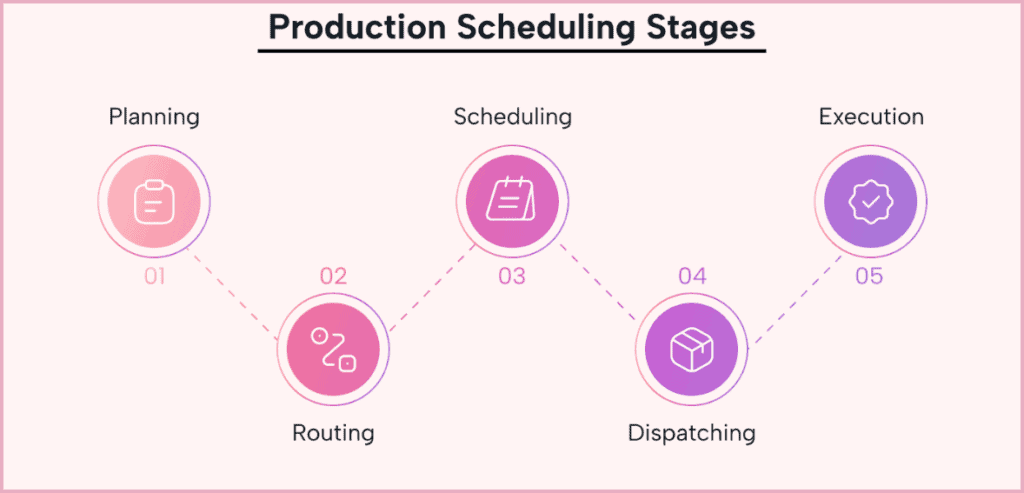
Dispatch time quality determines whether a fix is completed during the first visit. SLAs should measure technician assignment suitability, travel efficiency, and the accuracy of information provided before dispatch. Advanced scheduling software uses service-level agreement metrics for field service to match technicians to jobs by skill, experience, and location.
When teams work with accurate data and workload planning:
- Travel time shrinks
- Job preparation improves
- Technician utilization grows
With these strategies in place, first-time fix rate improvement becomes a natural outcome instead of a constant struggle.
Boost Technician Training Using Service-Level Agreement Metrics
Knowledge gaps lead to repeat service visits. That’s why training and certification compliance must be integrated into Service-Level Agreement Metrics That Improve First-Time Fix Rates. Tracking a technician’s capability helps identify support needs long before they cause issues in the field.
Companies evaluating performance with consistent service performance KPIs find that:
- Targeted skill development improves technician confidence
- Equipment familiarity boosts fast diagnosis
- Better onboarding reduces early-career mistakes
The quality of staff education influences customer confidence and ensures the quickest and most precise repair.
Improvement of Service-Level Agreement Metrics through Diagnostic Data
Improved diagnostics is a powerful lever in service productivity. When technicians arrive with limited information, first-visit success becomes a guessing game. Strong SLA measurement relies on collecting operational data before dispatch.
This includes:
- Detailed service history
- Hardware/software configuration notes
- Common failure patterns
- Customer-submitted issue reports
By directing service-level agreement metrics monitoring toward informed diagnosis and remediation planning, companies raise first-time fix rates and reduce costly operational inefficiencies.
Technological Influence in Service-Level Agreement Metrics
Digital transformation is redefining service excellence.
New tools such as:
- AI-powered field service systems
- Predictive maintenance analytics
- Mobile technician platforms
- IoT device monitoring
You can establish more powerful service-level agreement metrics through the use of technology that will lead to an improvement in the first-time fix rates. These technologies create a fluid information flow between the involved parties, technology, and at times even the customer, thereby making real-time and decision-making processes easier.
Usually, the companies that have modern service performance KPIs tend to be the ones that are outperforming the companies that still rely on outdated reporting methods. The result? More accurate arrival estimates, instant diagnostics, and optimized customer experience.
Service-Level Agreement Metrics That Require Collaboration Across Teams

First-time fix success doesn’t depend solely on technicians — it requires teamwork. SLA improvements involve coordination between operations, dispatch, inventory, customer support, and leadership. Everyone must understand how their role supports key field service SLA metrics.
For example:
- Support teams ensure complete issue documentation
- Inventory teams maintain adequate stock levels
- Property management legal requirements, schedules recurring performance reviews
- Technicians report findings from the field promptly
This collaborative approach creates a continuous improvement loop, strengthening customer service efficiency metrics through every department.
Benefits of Prioritizing Service-Level Agreement Metrics
Organizations focusing on effective SLA measurements experience significant gains across operations:
- Lower repeat visits and fuel costs
- Higher technician availability for more service calls
- Increased customer loyalty through better outcomes
- Faster job completion with minimal escalation
- Stronger reputation for reliability
- Higher profitability without adding labour resources
Every boost in first-time fix rate improves operational efficiency and customer retention — a winning strategy for long-term success.
How to Get Started with Service-Level Agreement Metrics
Introduction of new service level agreement metrics does not need to be a difficult task. Leaders are expected to start the process by examining current procedures and pointing out the things that slow down the resolution process. Then, define realistic targets using appropriate service performance KPIs.
A strong start involves:
- Standardizing service documentation
- Improving scheduling processes
- Providing technicians with complete diagnostic records
- Monitoring performance data weekly or monthly
- Reporting outcomes with transparency
Continuous feedback ensures service-level agreement metrics for field service evolve alongside customer expectations and operational growth.
The Service-Level Agreement Metrics of the Future
The service sector is moving quickly as technology, automation, and customer expectations change. The next-generation Service Level Agreements will not only focus on the usual response times but also consider success rates calculated in a predictive manner and real-time evaluations of system health.
Companies that opt for more intelligent customer support efficiency parameters will be able to avoid nonconformities rather than reactively address them. Predictive analytics will allow maintenance staff to identify the exact parts and knowledge needed, making first-time fix success the standard rather than the target.
Conclusion
A high first-time fix rate is a strong indicator of effective operational planning, strong communication, and a very skilled team. Companies that put service-level agreement metrics that enhance first-time fix rates on their priority list are crafting a strong base for customer service, operational efficiency, and scalable growth. SLA metrics tracking for field service, assessment of service performance KPIs, and improvement in first-time fix rate become the methods by which companies achieve waste elimination, prevent compliance risks, and deliver a service experience customers want to come back for.
In the end, intelligence-driven operations are the future of field service—technicians having all the required information, being the right ones equipped, and being the problem solvers of the moment. Organizations that measure these customer service efficiency metrics today will be the leaders of the industry tomorrow, reaping the rewards of better profitability, higher technician morale, and unmatched customer loyalty. Improving SLA metrics is not only a matter of strategy but also a competitive advantage that ensures every visit is value-adding and every customer feels important.
FAQs
What are the most essential Service-Level Agreement Metrics That Improve First-Time Fix Rates?
The key SLA metrics are technician response time, parts availability, diagnostic precision, and verification of job completion. These SLA metrics promise that field service technicians will be ready to perform the repair on the first visit.
How do SLA metrics for field service enhance customer satisfaction?
The arrival of service performance KPIs results in less customer interaction and quicker solutions. The quality of service has a significant impact on trust and, again, customer retention in the long run.
What role does data play in first-time fix rate improvement?
By monitoring customer support performance, property management legal requirements can identify which skills need improvement, where stock issues lie, and which processes are too slow. Customer service efficiency metrics will help leaders improve training, scheduling, and resource allocation to support first-time resolution.
How can companies improve their SLA compliance?
An organization can increase compliance with SLAs by implementing automated tools for field services, real-time dashboards, and communication flows. The improvements not only improve SLA metrics but also reduce operational errors.
Why are service performance KPIs essential for field technicians?
They provide technicians with measurable goals and visibility into performance. When service performance KPIs align with first-time-fix objectives, technicians stay focused on delivering accurate, timely service.